

Are cameras allowed in Airbnbs? What if they’re outdoors or turned off? With rising concerns about guest privacy, Airbnb introduced a major policy update in 2024 that bans all indoor cameras and limits the use of outdoor surveillance.
Whether you’re a host looking to protect your vacation rental or a guest wanting peace of mind, understanding Airbnb’s current camera policy is essential. Here’s a complete breakdown of what’s allowed, what’s banned, and how to stay compliant.
🚫 Airbnb Bans All Indoor Cameras (Effective April 30, 2024)
In a sweeping move to prioritize guest privacy, Airbnb globally banned indoor security cameras of any kind — even if they’re off, unplugged, or previously disclosed.
What this means:
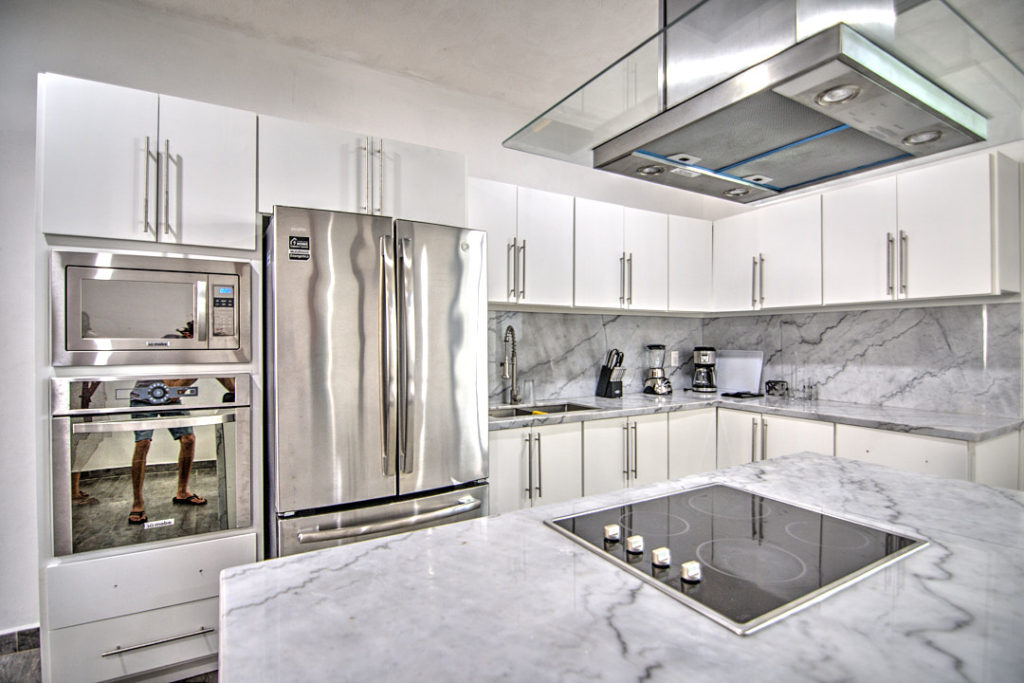
- ❌ No indoor cameras in living rooms, kitchens, or hallways
- ❌ No cameras or smart assistants with video (like Alexa Show or Nest Hub)
- ❌ No baby monitors, nanny cams, or motion sensors in private areas
- ❌ No hidden or disguised devices — anywhere inside
- ❌ Even shared spaces inside the property are off-limits
✅ Bottom line: If it’s inside, looks like a camera, or can record — it’s not allowed.
✅ Are Cameras Allowed Outside on Airbnb?
Yes — but only under specific conditions. Outdoor cameras are still permitted if they’re used transparently and respect guest privacy.
Airbnb Outdoor Camera Rules
✅ Allowed
- Outdoor cameras (with disclosure)
- A video doorbell or camera pointed at the front entrance
- Cameras focused on public-facing driveways or communal walkways
- Noise monitors (non-audio, in shared common areas)
❌ You cannot have:
- Indoor cameras (visible or hidden)
- Any camera not fully disclosed in your listing
- Hidden surveillance devices
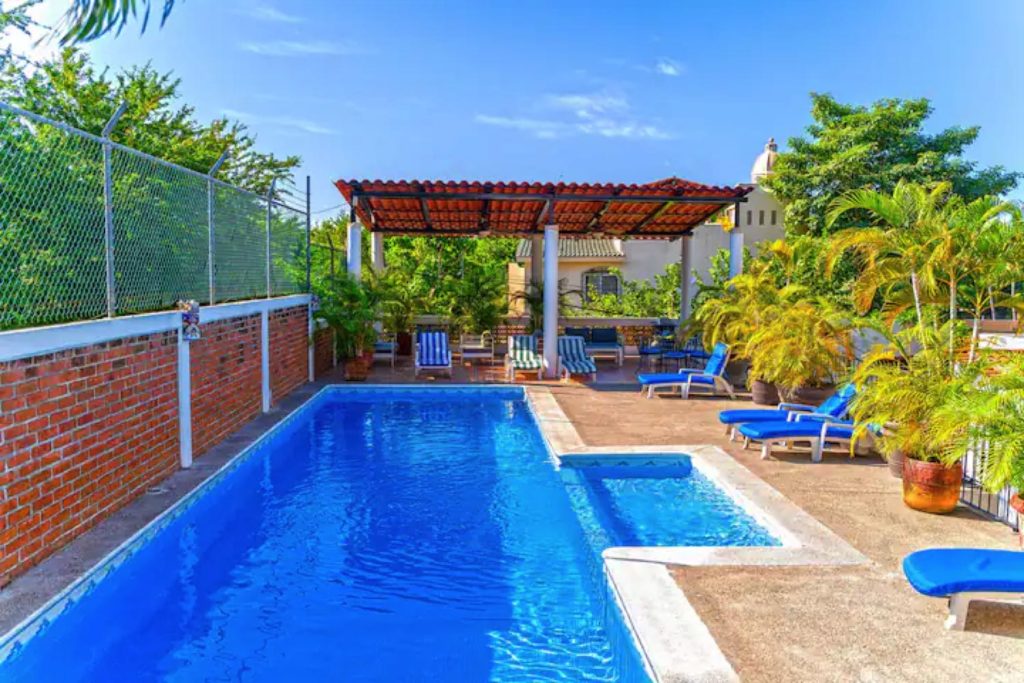
- Cameras in private outdoor areas (e.g., hot tubs, pools, patios)
- Devices that can view windows into bedrooms or bathrooms
Disclosure is mandatory. Hosts must clearly list all security devices in the “Guest Safety” section of their listing. A simple sentence like “There is a Ring camera facing the driveway for guest safety” builds trust and keeps you compliant.
⚠️ What Happens If Hosts Break Airbnb’s Camera Rules?
Violating Airbnb’s camera policy can lead to serious consequences — far beyond a bad review.
Penalties include:
- Immediate listing removal
- Account suspension or permanent ban
- Legal action in cases involving hidden or illegal surveillance
- Full refunds and relocation for affected guests
Real-world cases have shown hosts facing jail time, lawsuits, and criminal charges for hidden cameras. Airbnb uses both manual reviews and automated detection to enforce its camera policy.
🔐 Why This Policy Matters
Airbnb’s success depends on trust. Guests need to feel safe. Hosts need to protect their space — without crossing boundaries. This updated Airbnb camera policy reflects that balance:
- Guests enjoy privacy in all indoor spaces
- Hosts can still monitor exteriors for safety
- Everyone knows exactly what’s allowed
The goal is clear: to make short-term rentals feel as safe and respectful as home.
📌 Airbnb Camera Policy FAQs
Q: Can Airbnb have cameras?
A: Yes, but only outdoors, in public/shared areas, and with full disclosure.
Q: Are indoor cameras allowed at Airbnbs?
A: No. Airbnb has banned all indoor cameras worldwide — even turned-off or unplugged ones.
Q: Can outdoor Airbnb cameras face private spaces like pools or patios?
A: No. Outdoor cameras must not overlook private areas.
Q: Can hosts use noise monitors?
A: Yes, but they can’t record and must be disclosed. Placement in bedrooms or bathrooms is not allowed.
Q: What happens if I find a hidden camera in my Airbnb?
A: Leave the property and report it to Airbnb immediately. They will investigate and may ban the host.
Whether you’re a host or a guest, the message is clear: surveillance must never come at the cost of privacy. Follow Airbnb’s security camera rules and keep your rental experience safe, respectful, and 5-star worthy.

 English
  Spanish